













About Flight Demonstrations and Capabilities (FDC) Project
The FDC project conducts complex integrated small-scale flight research to validate the benefits of new technologies. By modifying aircraft from FDC’s support fleet, the project enables aggressive, success-oriented flight campaign schedules. While many technologies are at mid-levels of technology readiness, the FDC project supports all phases of technology maturation. FDC’s support aircraft fleet enables safety chase and in-flight experimental measurements for a variety of […]
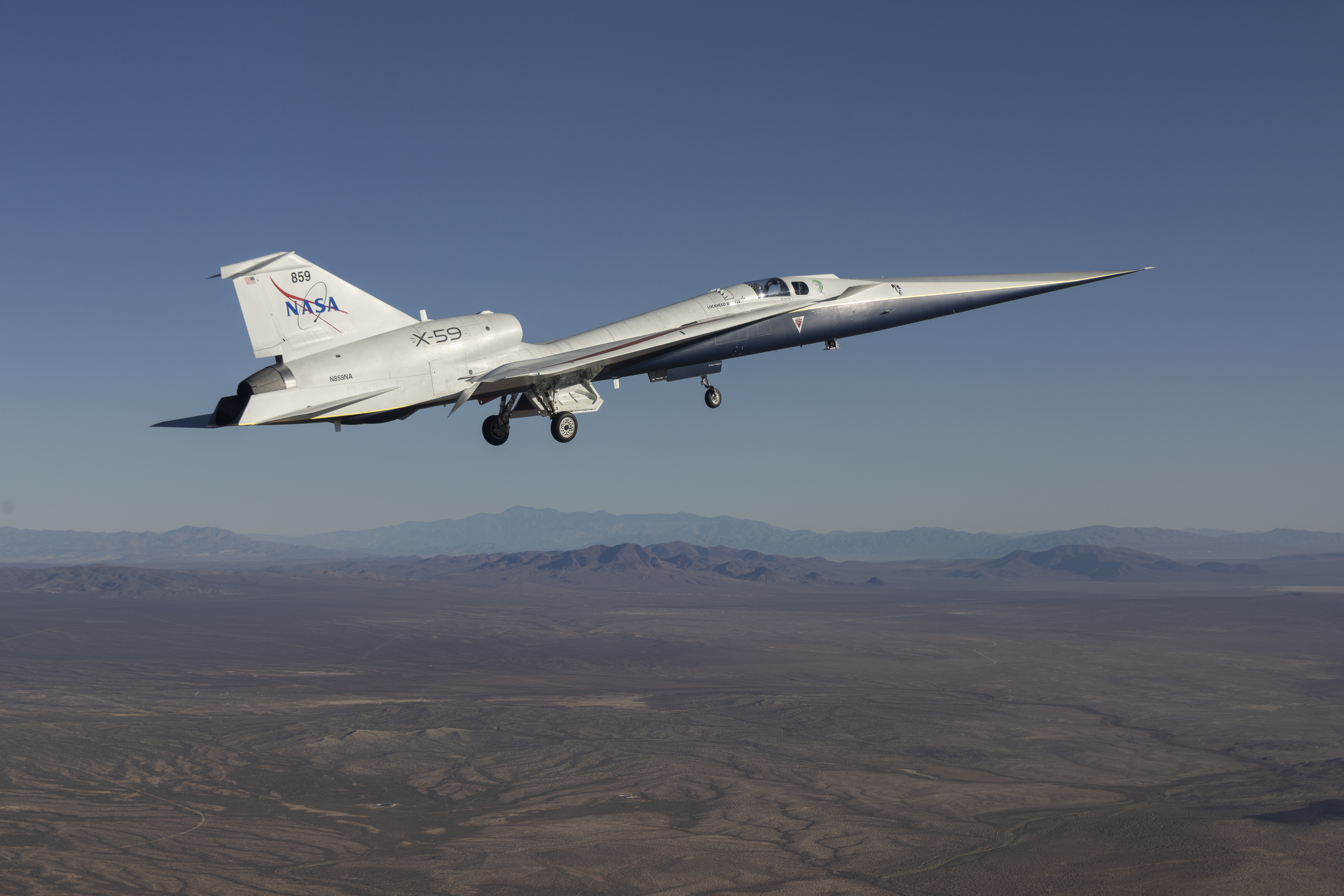
The FDC project conducts complex integrated small-scale flight research to validate the benefits of new technologies.
By modifying aircraft from FDC’s support fleet, the project enables aggressive, success-oriented flight campaign schedules. While many technologies are at mid-levels of technology readiness, the FDC project supports all phases of technology maturation.
FDC’s support aircraft fleet enables safety chase and in-flight experimental measurements for a variety of NASA missions.
The project collaborates with academia, industry, and government organizations to leverage flight opportunities, and engages with NASA researchers and university students to bring innovative concepts to flight.
The FDC project operates, sustains, and enhances other national flight research capabilities that enable complex high-risk flight research for both NASA and the aviation industry.
These capabilities are located at NASA’s Armstrong Flight Research Center at Edwards, California, and includes the Aeronautics Test Data Portal, Flight Loads Laboratory, the Dryden Aeronautical Test Range, and a suite of flight simulators.
The project leverages collaborative opportunities for flight testing from across the aeronautical industry.
Flight Research Facilities
The FDC project validates benefits associated with critical technologies through focused flight experiments. Through the integration of appropriate flight test capabilities and assets — whether from NASA. other government agencies, or industry — FDC campaigns focus on aggressive, success-oriented schedules using the best collection of assets.
The FDC project supports tests of technology at all phases of maturation.
Research Aircraft Integration Facility
Dryden Aeronautical Test Range
Support Aircraft and Maintenance Operations
Explore More



Share
Related Terms
What's Your Reaction?