



















About Integrated Aviation Systems Program (IASP)
The Integrated Aviation Systems Program (IASP) conducts research and integrated, systems-level demonstrations in a flight environment to prove, mature and transition them into future aircraft and systems. The program aims to determine feasibility and accelerate development of less mature technologies, and for more mature technologies, execute highly complex flight demonstrations to prove and accelerate technology […]

1 min read
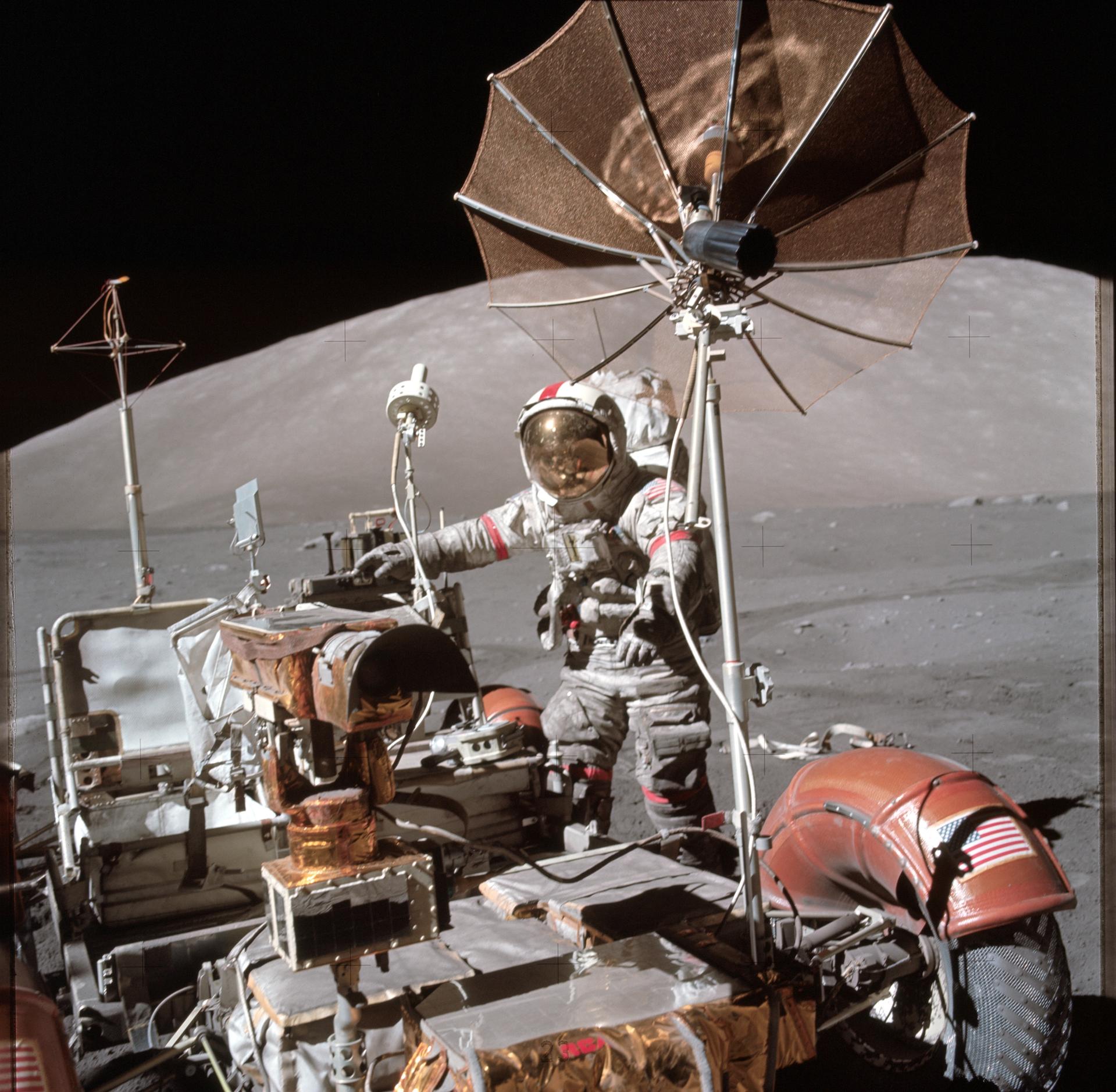
Preparations for Next Moonwalk Simulations Underway (and Underwater)

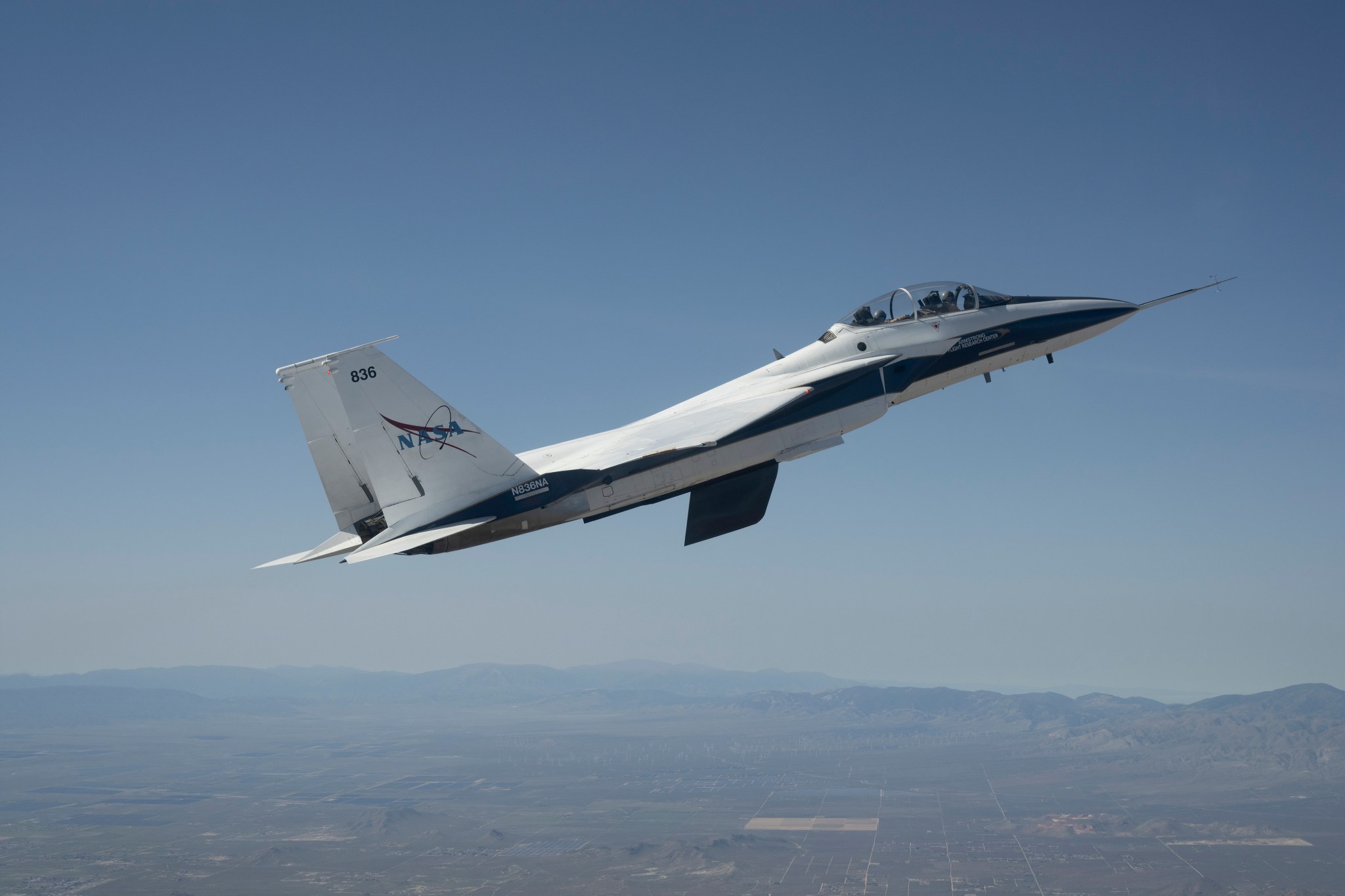
The Integrated Aviation Systems Program (IASP) conducts research and integrated, systems-level demonstrations in a flight environment to prove, mature and transition them into future aircraft and systems. The program aims to determine feasibility and accelerate development of less mature technologies, and for more mature technologies, execute highly complex flight demonstrations to prove and accelerate technology transition to industry.
IASP Projects
The program’s portfolio currently consists of these projects: Subsonic Flight Demonstrator, Electrified Powertrain Flight Demonstration, Low Boom Flight Demonstrator, and Flight Demonstrations and Capabilities.
Explore More


Share
Related Terms
What's Your Reaction?