










Curiosity Blog, Sols 4886-4892: Ingenuity and Perseverance, Curiosity Style
Written by Michelle Minitti, MAHLI Deputy Principal Investigator Earth planning date: Friday, May 8, 2026 While we know the monikers Ingenuity and Perseverance are attached to our sister helicopter and rover on the Mars 2020 mission, those characteristics were in full force with Curiosity over the past week. The science we achieved this week was […]
3 min read
Curiosity Blog, Sols 4886-4892: Ingenuity and Perseverance, Curiosity Style
Written by Michelle Minitti, MAHLI Deputy Principal Investigator
Earth planning date: Friday, May 8, 2026
While we know the monikers Ingenuity and Perseverance are attached to our sister helicopter and rover on the Mars 2020 mission, those characteristics were in full force with Curiosity over the past week. The science we achieved this week was enabled by the ingenuity of the Curiosity engineers and scientists manifested in this extraordinary time lapse. It demonstrates the careful dance of arm motions employed — each one diligently planned by the team — to free Curiosity’s drill from the “Atacama” target. Watch the arm twist, bend, and turn with a rock slab attached, and be amazed.
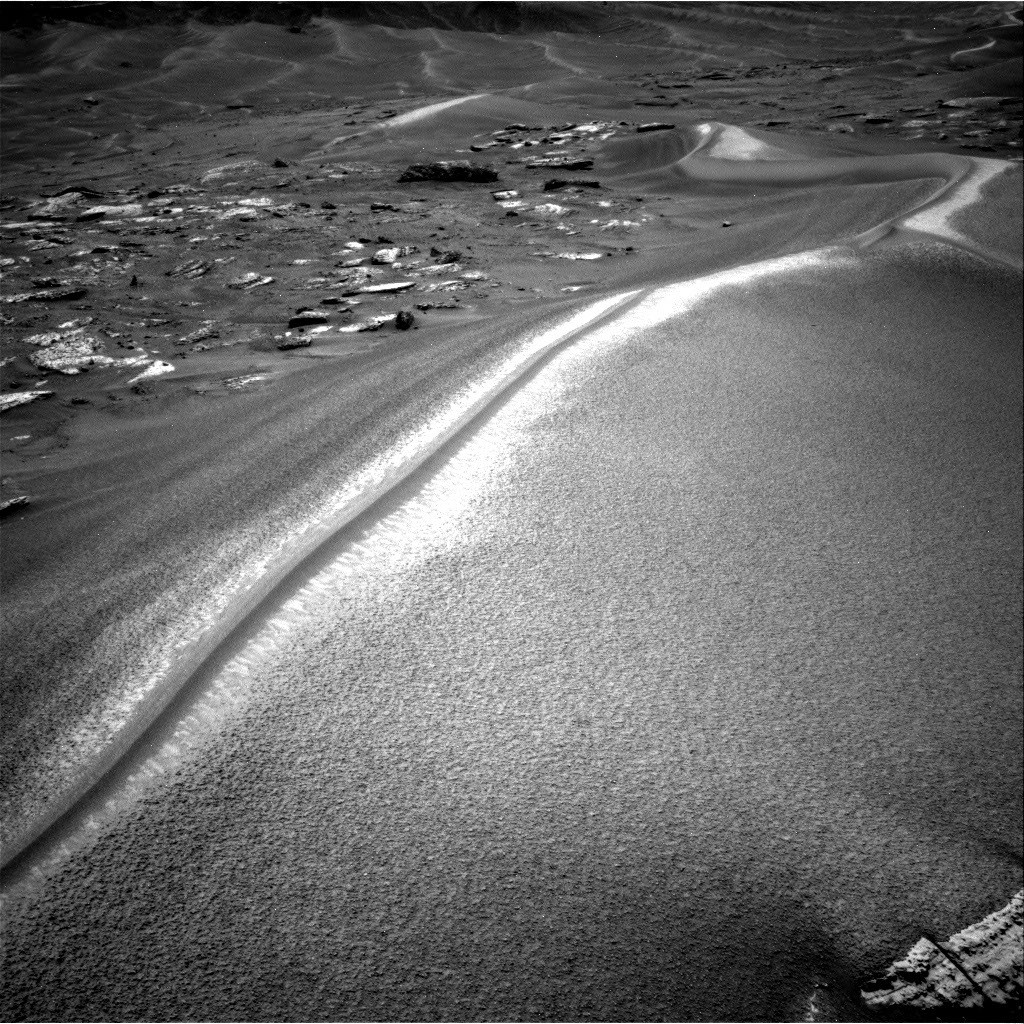
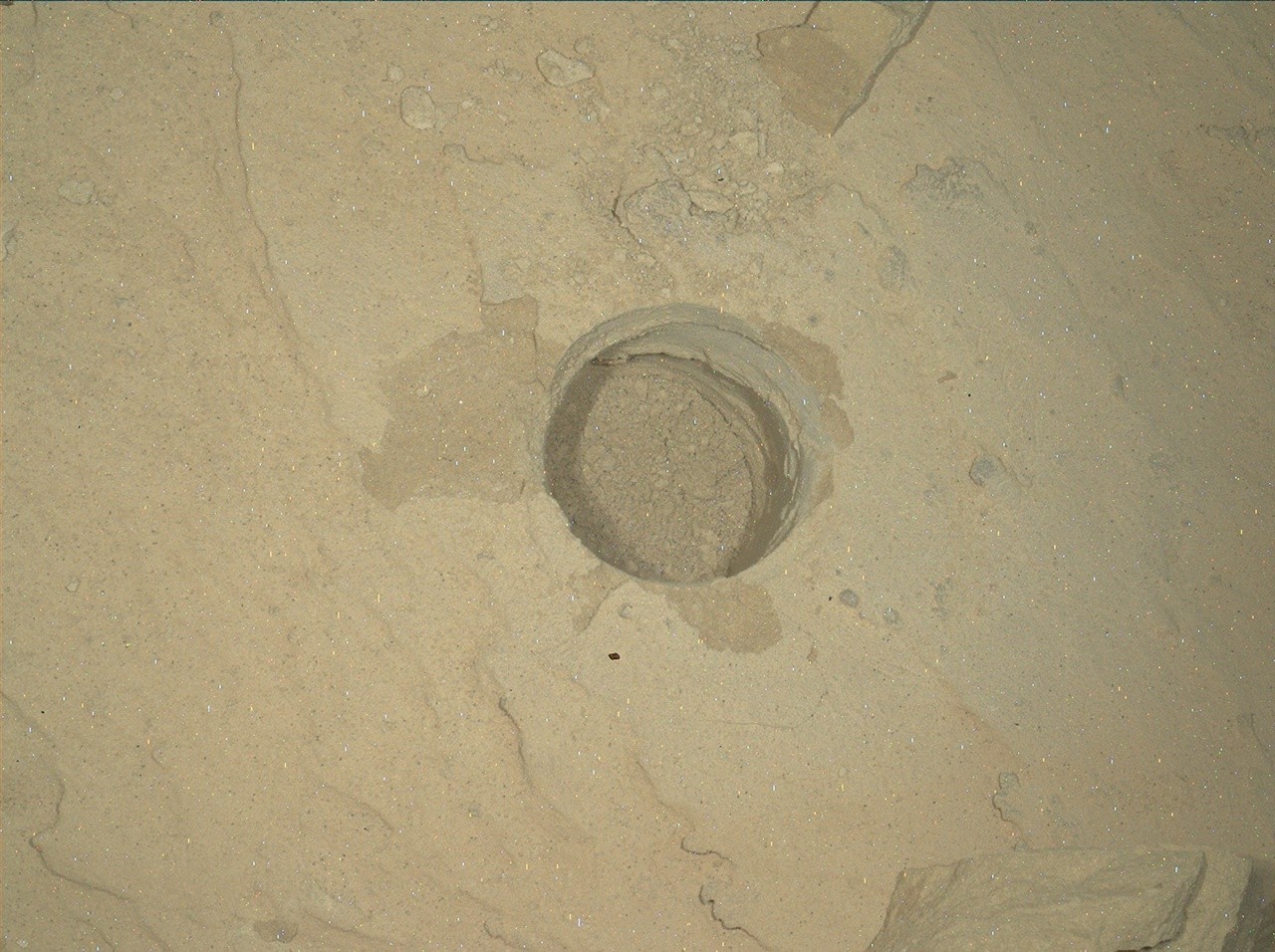
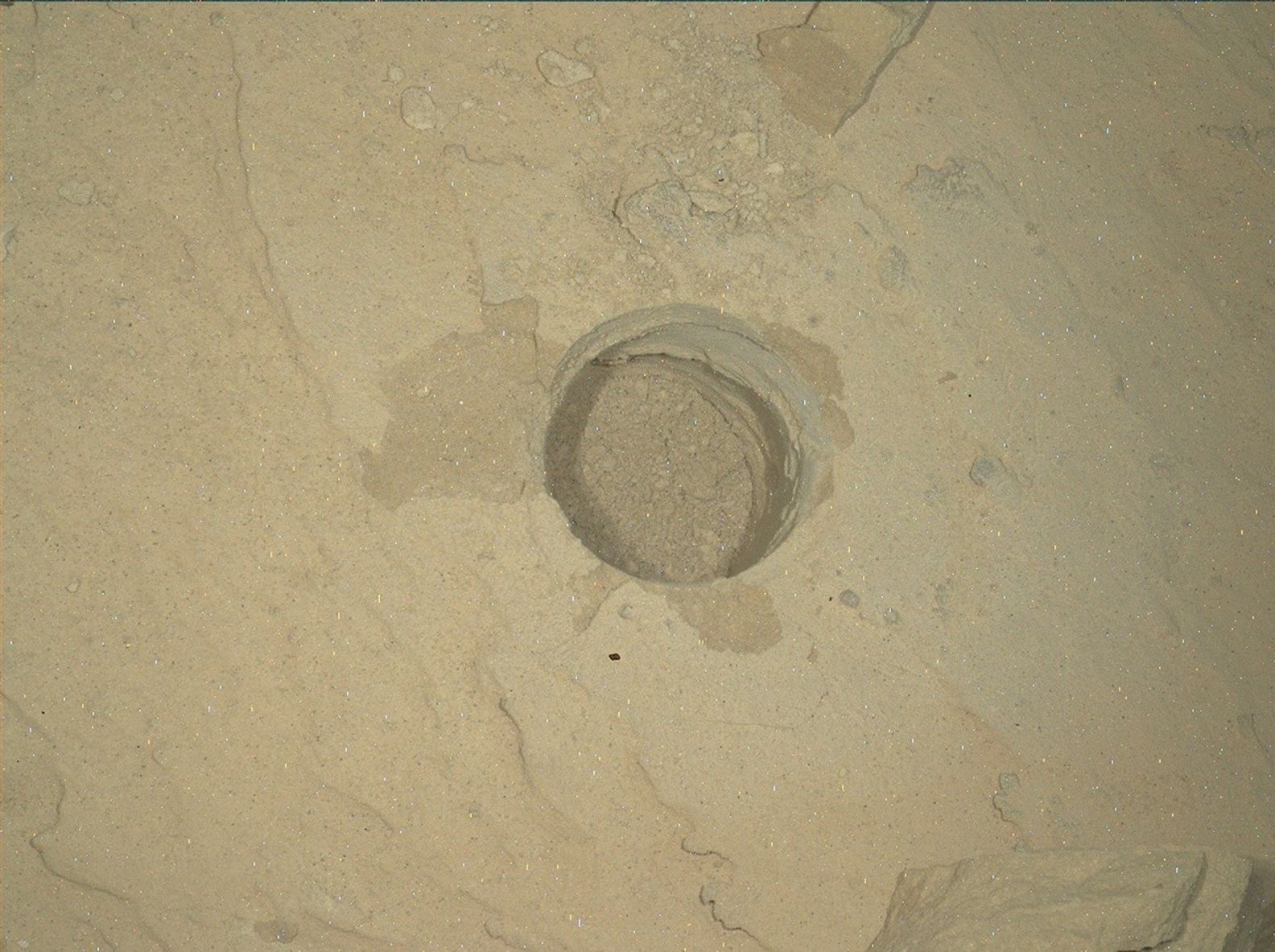
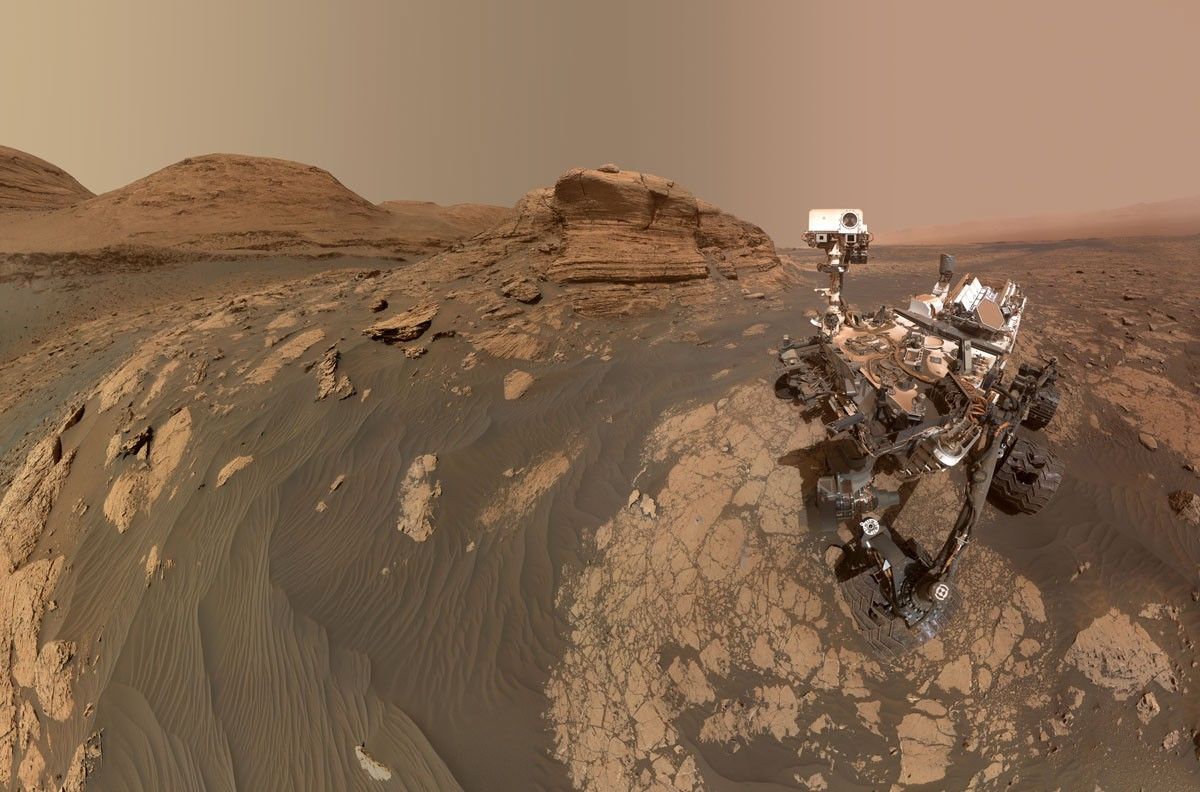
The highest-priority activities after liberating the drill included imaging the drill with Mastcam and ChemCam RMI, and imaging into the now-empty drill hole with MAHLI (the image above). The science team made the most of the freshly-broken surfaces created when Atacama fell back to Mars, and the freshly-exposed sand once hidden underneath Atacama. ChemCam targeted one of the clean fracture faces with two LIBS rasters at “Tamarugal” and “Tamarugo,” and followed with another raster on a light-toned patch of bedrock formerly under Atacama at “Colchane.” MAHLI and APXS analyzed sand near Colchane at the target “Yerba Loca.” Beyond Atacama, Mastcam and ChemCam imaged the large buttes towering above our current and future drive paths. Mastcam also imaged two exposures of the polygonal fractures present in this area (targets “Cerro Elefantes” and “Azul Pampa”) and looked for wind-induced changes in the sand (“Playa los Metales”). ChemCam planned a passive spectroscopy observation of light-toned features on the “Paniri” butte and checked out a potential meteorite with a LIBS raster at “Isla Mocha.”
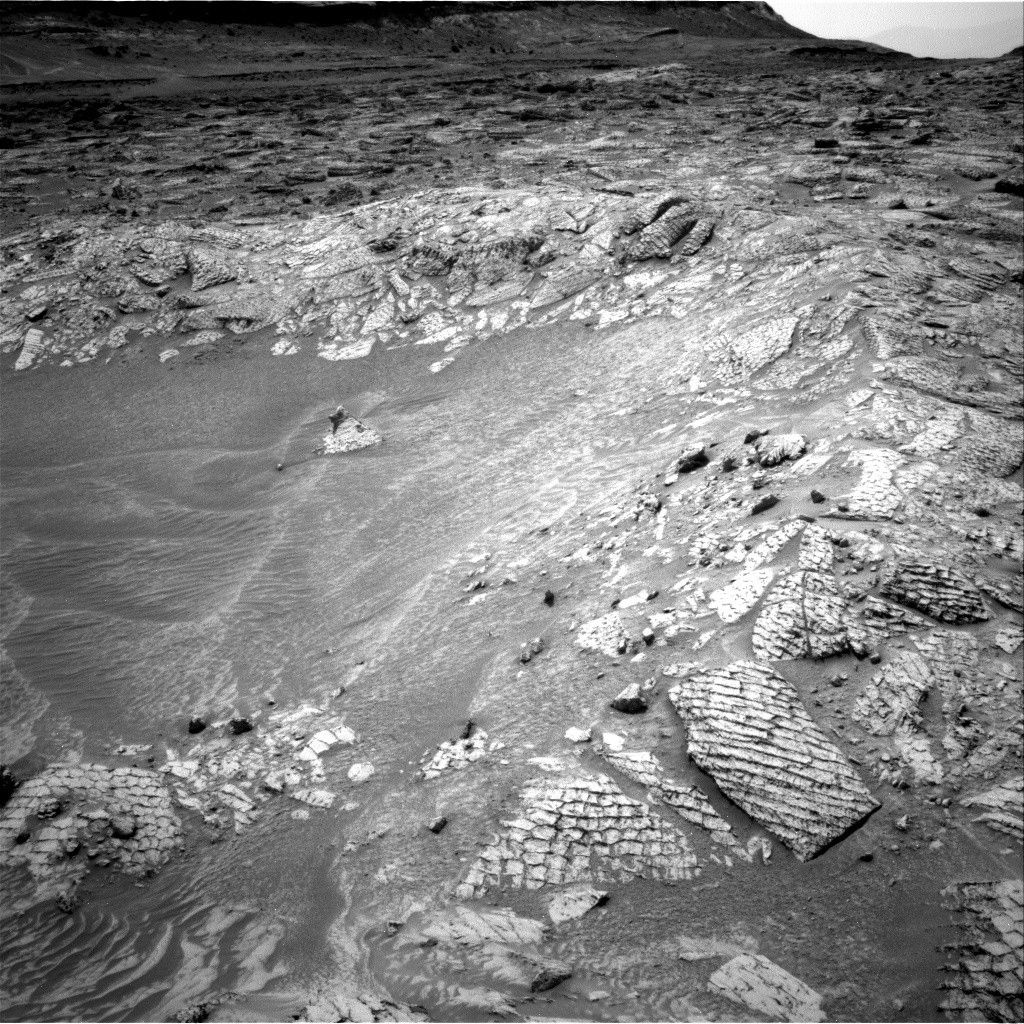
As engineering assessments continued, Curiosity drove uphill to study a contact between two different rock types, which can indicate a change in formation conditions, a break in time, or both. MAHLI, APXS, and ChemCam teamed up to study both rock types at the lighter-toned, layered “Toro” target and the darker, flaky “Inca de Oro” target. Mastcam planned multiple mosaics capturing different structures and transitions exposed along the contact. Across the plans during the week, REMS, RAD, and DAN regularly measured the environment above and below the rover, and Navcam and Mastcam teamed up to look for clouds, dust devils, and dust in the atmosphere.
With the health of the drill and arm confirmed by the engineers, Curiosity exhibited perseverance by heading toward a new workspace with a promising (larger) block for a new drill attempt. Our Martian exploration continues undaunted.
Share
Details
Related Terms
Explore More


What's Your Reaction?