












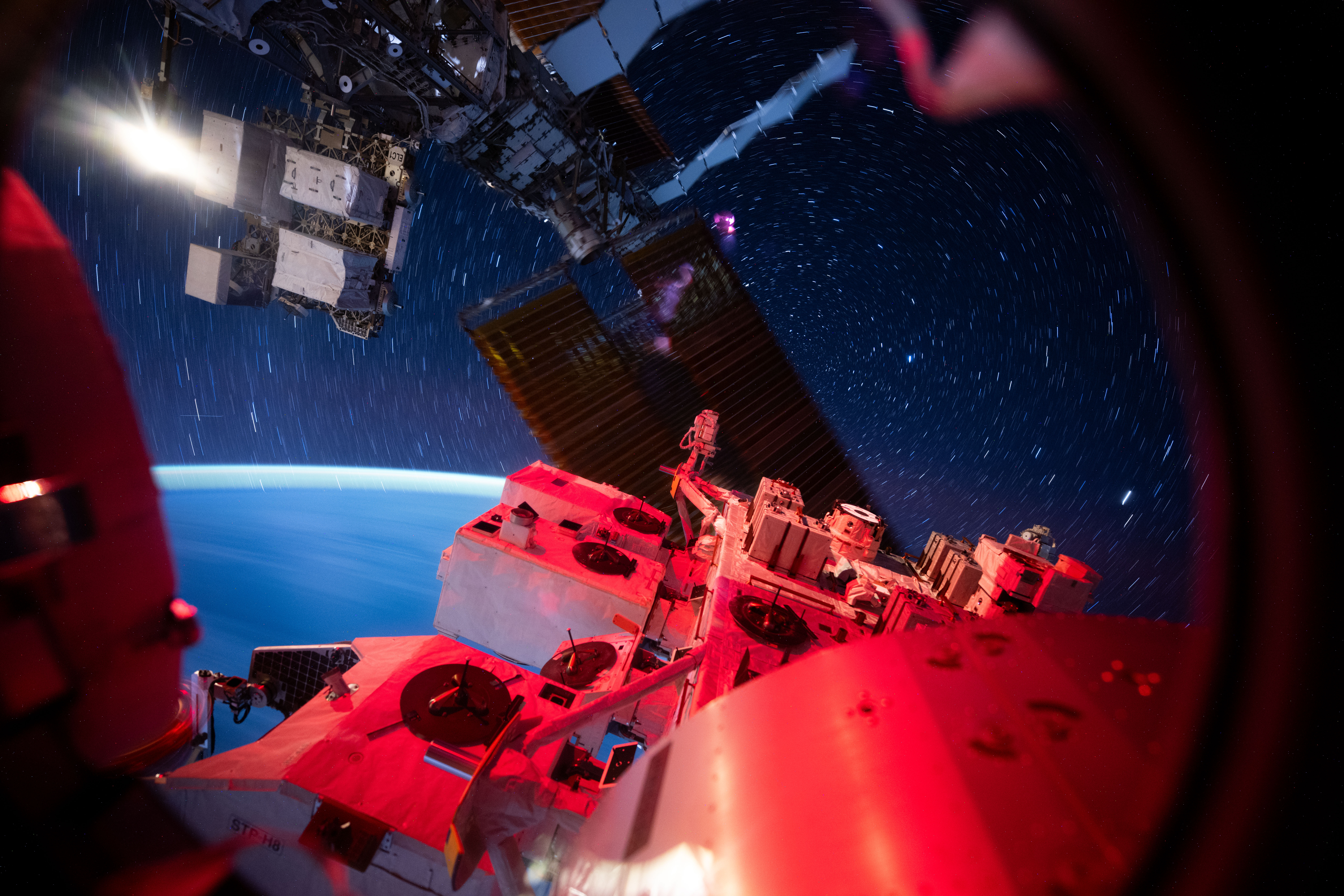
NASA Highlights 2025 International Space Station Science Results
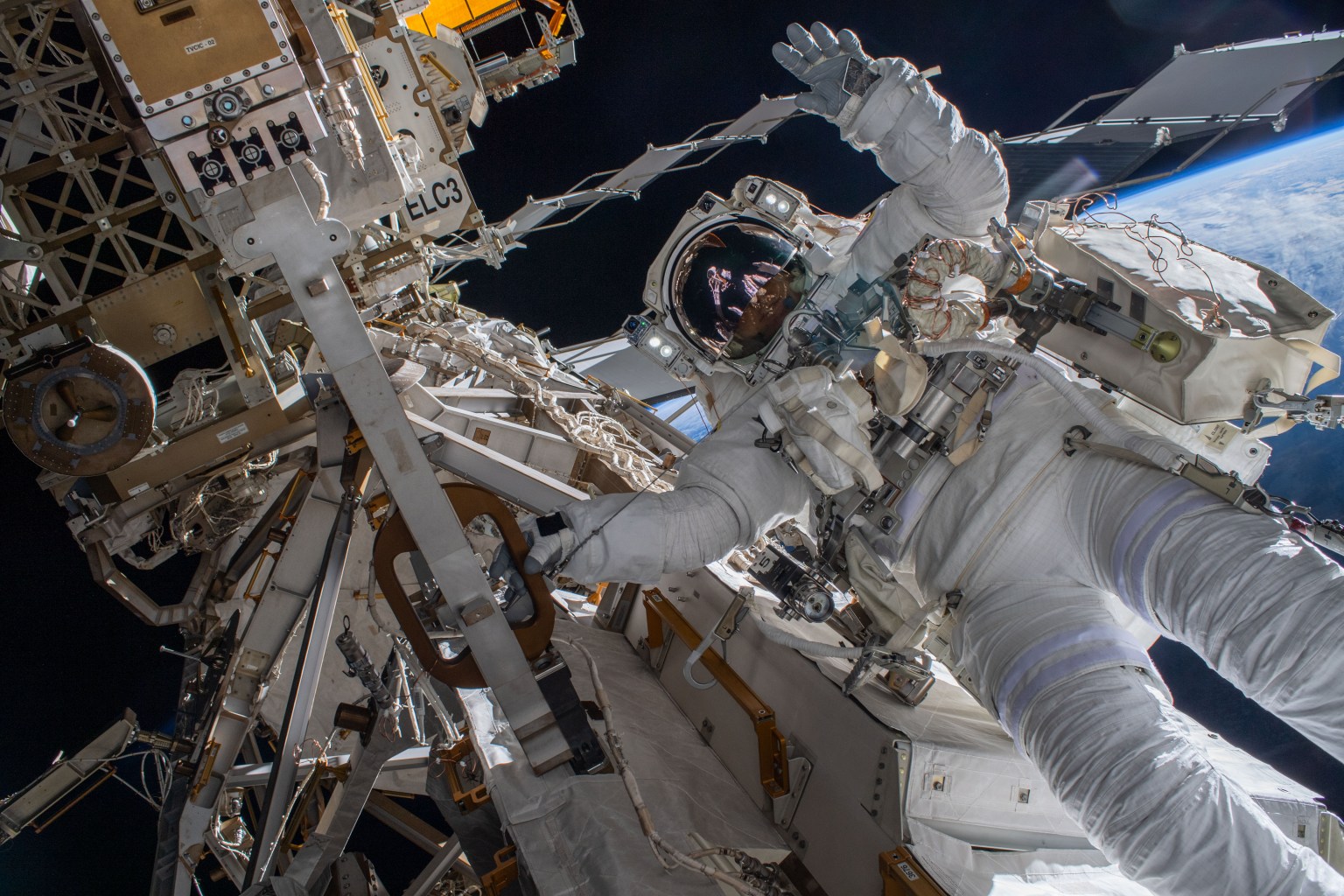
To dive deeper into the International Space Station research achievements from the past year, browse the 2025 Annual Highlights of Results, which NASA released in May 2026. In 2025, researchers using the orbital laboratory conducted more than 750 investigations that advanced understanding of life in space, drove innovations to benefit people on Earth, and supported […]
NASA Highlights 2025 International Space Station Science Results
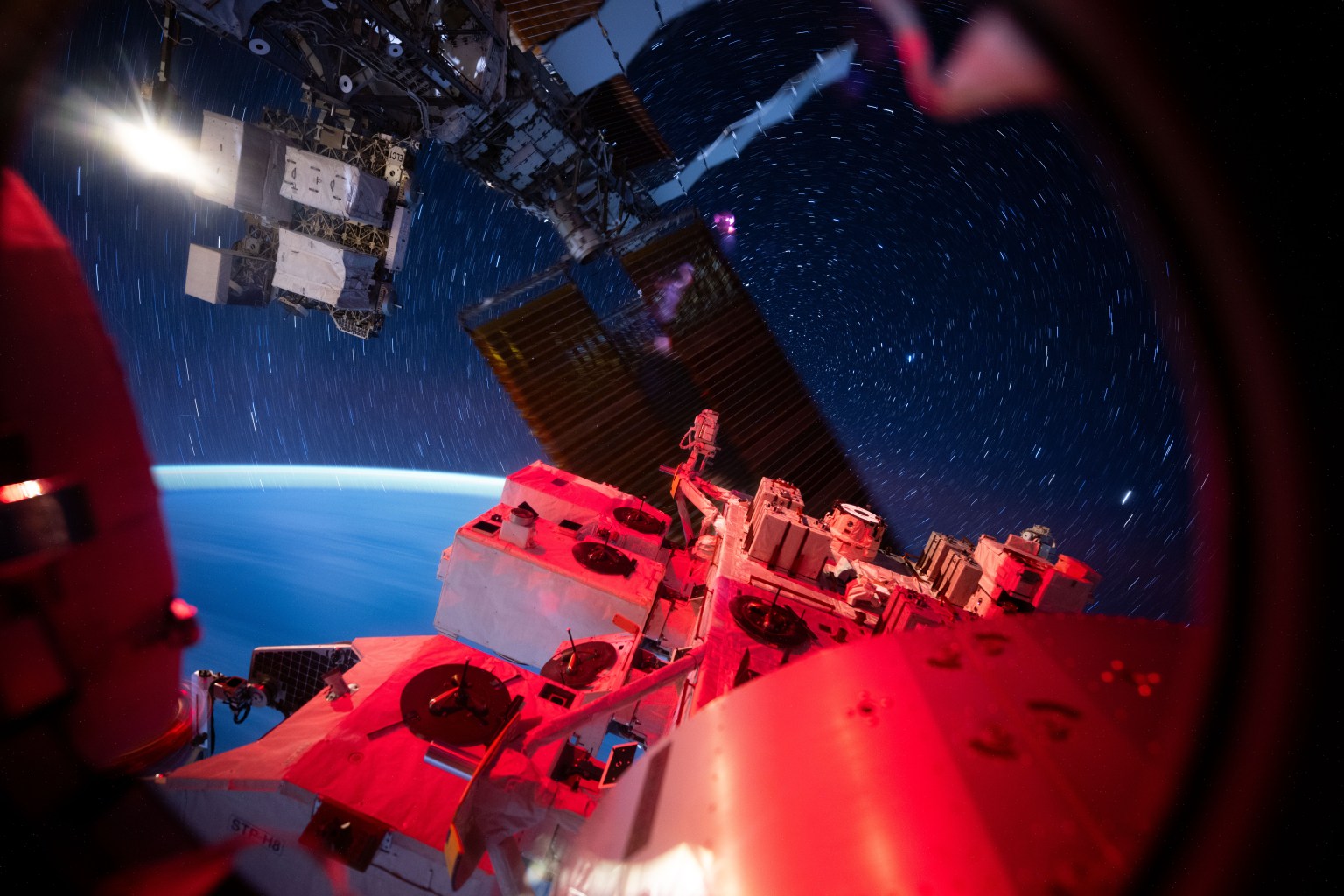
To dive deeper into the International Space Station research achievements from the past year, browse the 2025 Annual Highlights of Results, which NASA released in May 2026.
In 2025, researchers using the orbital laboratory conducted more than 750 investigations that advanced understanding of life in space, drove innovations to benefit people on Earth, and supported NASA’s exploration of the Moon and Mars.
Results include a study that could protect astronaut performance on future long-duration missions and a biomaterials investigation aimed at advancing tissue engineering and regenerative medicine.
Miniaturizing surgery
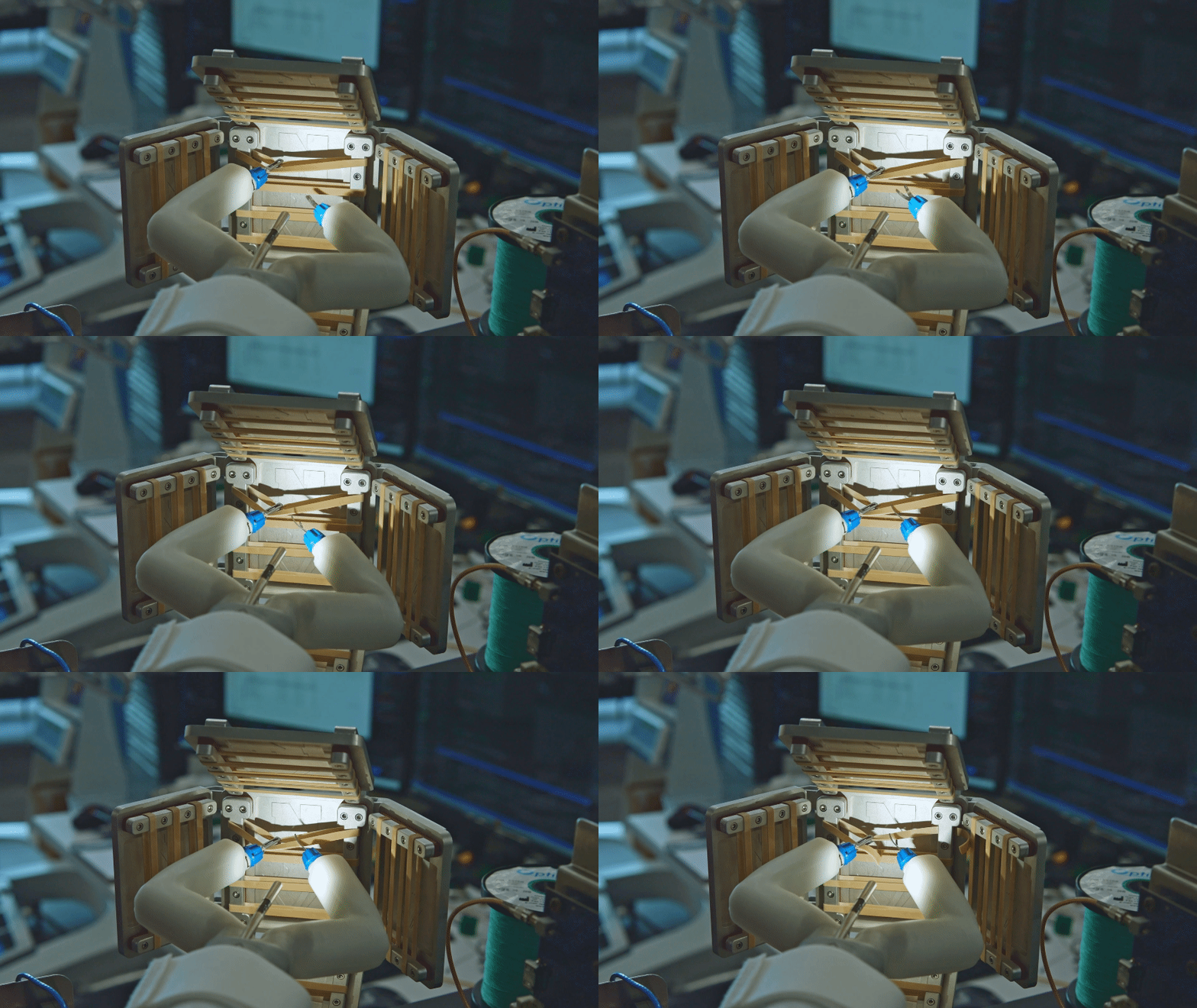
NASA evaluated whether a miniature robotic system could perform surgical tasks in microgravity. Researchers used rubber bands to simulate surgical tasks aboard the space station, allowing them to observe communication delays from Earth and test robotic precision in space during remote operations. Results showed that while timing delays increased the duration of procedures, they had minimal impact on robotic accuracy.
This research demonstrates that precise surgical procedures could one day be performed in space, including at a future lunar base or on Mars. Robotic surgery also offers a compact, reliable option for performing medical procedures in remote places on Earth.
Learn more about the Robotic Surgery Tech Demo
Levitating bone growth
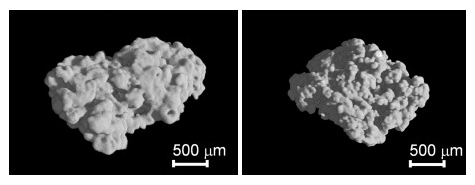
The Roscosmos investigation Magnetic 3D Bioprinter used magnetic levitation to form complex tissue structures in microgravity with high precision and minimal materials. Researchers used this technique to position calcium crystals into structures that can serve as synthetic bone grafts to promote new bone growth. Samples formed in microgravity showed superior structural organization and a high capacity for bone tissue regeneration. Astronauts experience bone loss in space and may face a higher risk of bone fractures during long-duration exploration missions.
This research could one day allow astronauts to fabricate medical treatments on demand to address skeletal injuries far from Earth.
Melanin infused materials
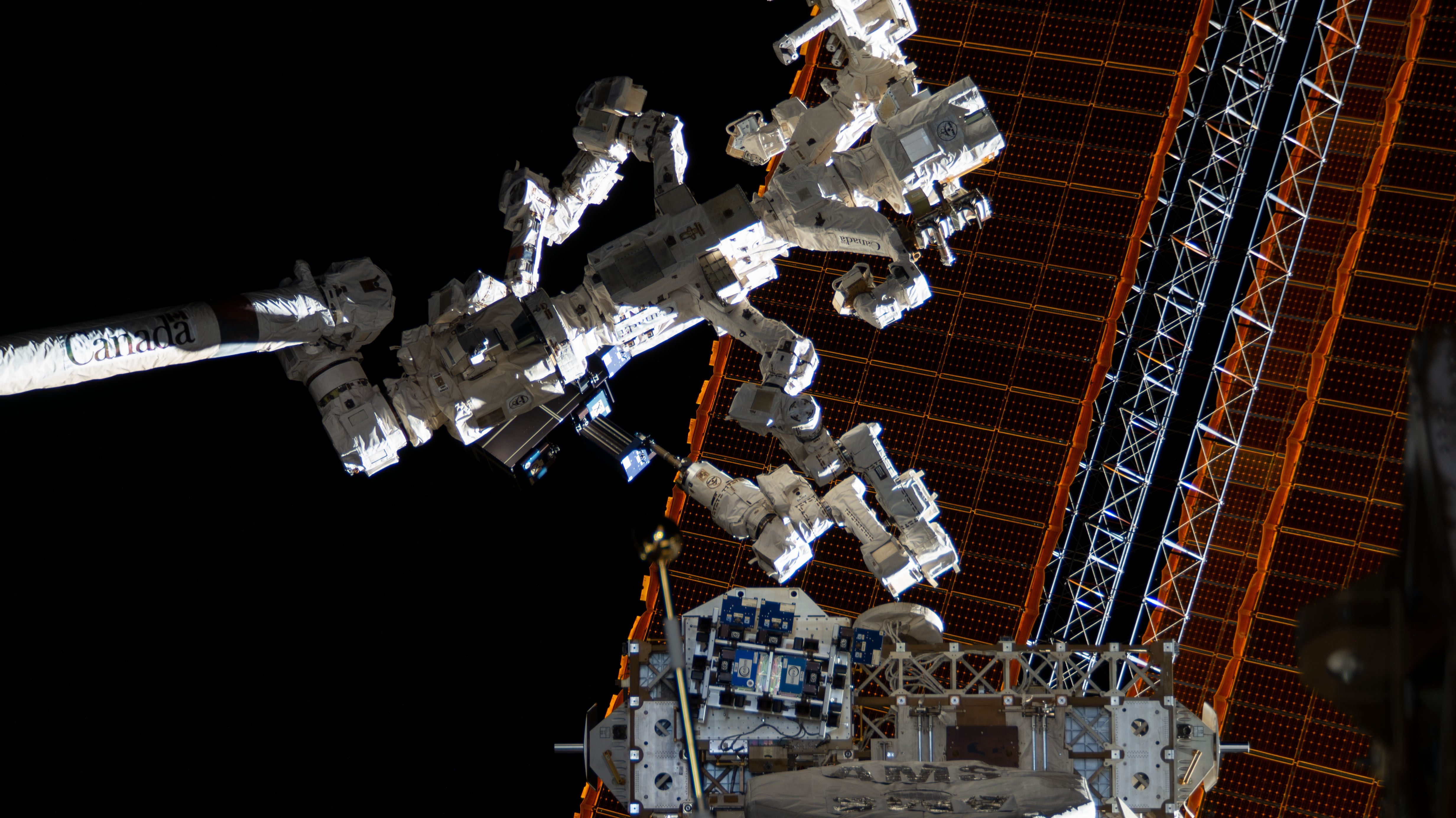
NASA examined how prolonged exposure to the vacuum of space affects the performance and durability of materials used in space exploration. Researchers exposed polymers, thermal protection systems, spacesuit components, and radiation-shielding materials to the space environment for six months. The research also tested several biomaterials infused with different types of melanin, a naturally occurring pigment that protects against ultraviolet radiation. The materials infused with fungal melanin showed the greatest resistance to radiation damage.
Biologically derived materials offer a lightweight, sustainable option for radiation shielding during future missions beyond Earth, with potential applications on Earth in medical protection, UV defense, and radiation-resistant structures.
Learn more about the Materials International Space Station Experiment-13-NASA (MISSE-13-NASA) investigation.
Power that endures
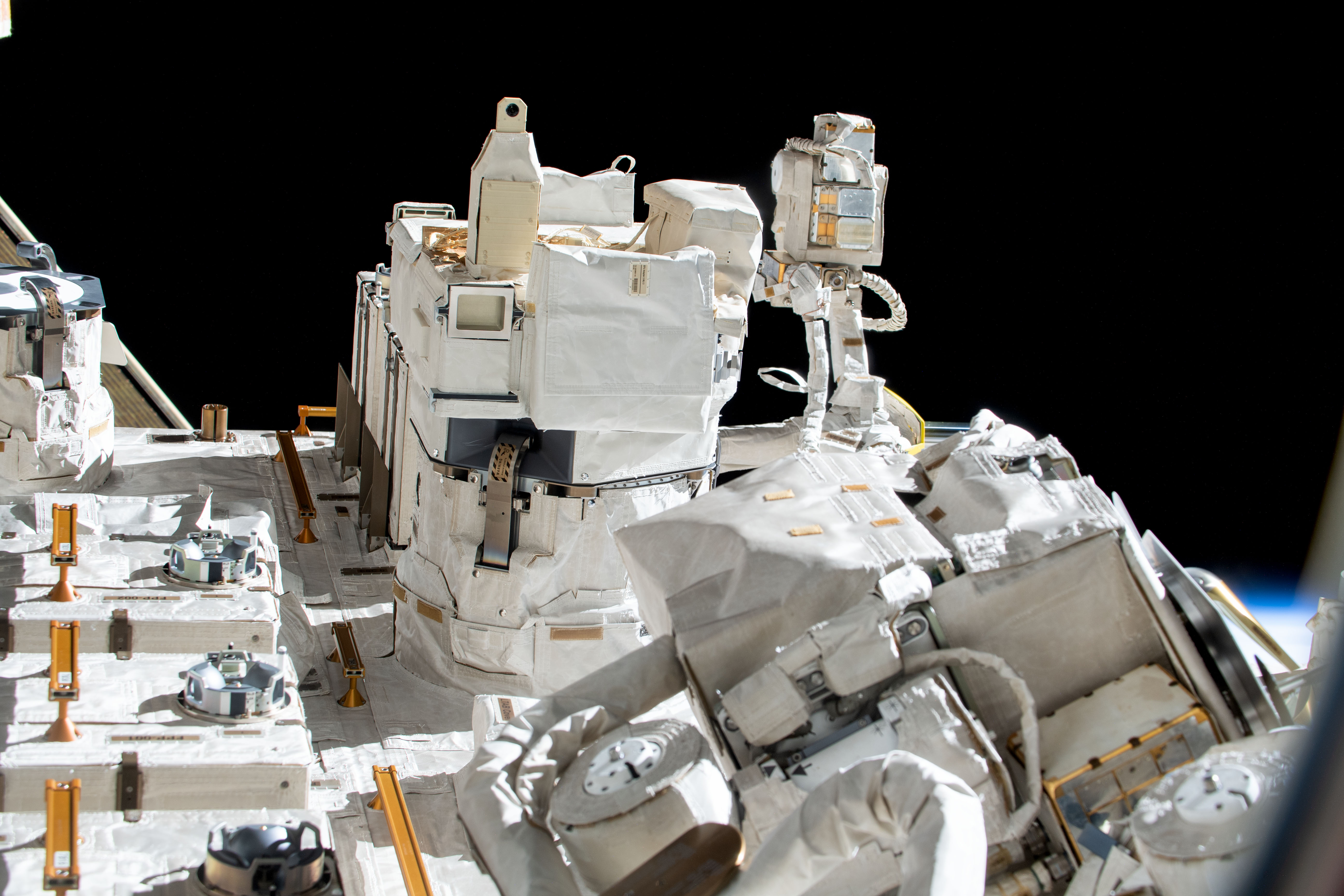
A JAXA (Japan Aerospace Exploration Agency) investigation studied the stable operation of all solid-state lithium ion batteries in space, including under extreme temperature swings and vacuum. Compared to conventional lithium ion batteries, these batteries are believed to operate across a wider temperature range, offer greater chemical stability, and provide increased ignition resistance.
Researchers assembled a battery pack from multiple all solid-state lithium ion batteries in space and exposed it to space for 434 days to track performance, degradation, and radiation response. The battery pack showed stable electrical behavior, no signs of degradation, and only a 2% loss in capacity. These results demonstrate that these batteries could provide safer, more reliable power systems for missions to the Moon and Mars, as well as for use in extreme environments on Earth.
Learn more about the Space Demonstration for All Solid-state Lithium Ion Battery investigation.
Runway return
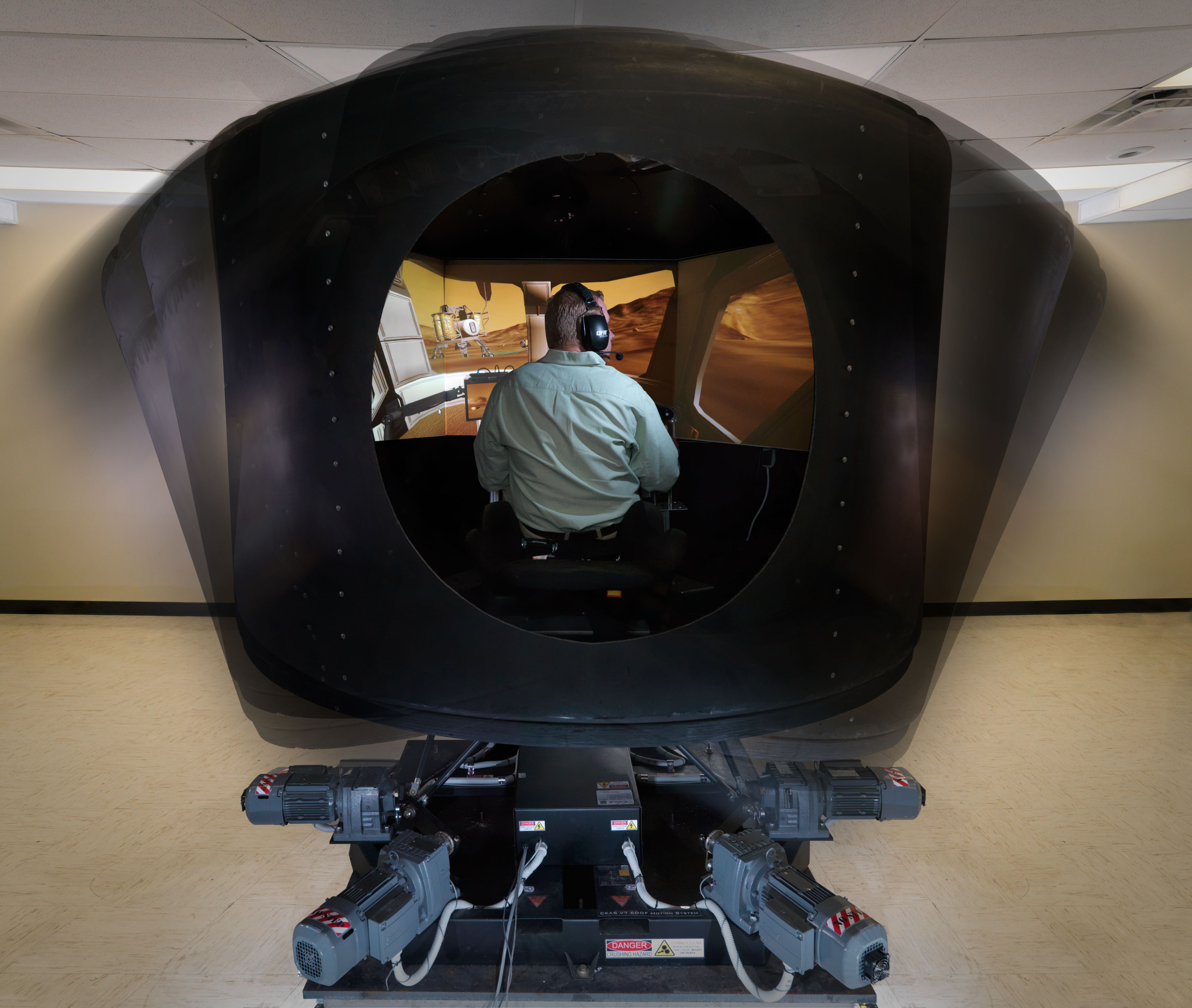
NASA continues to study how long-duration spaceflight affects astronauts’ ability to pilot and perform complex tasks after landing. Five experienced astronauts completed simulated aircraft landings before and after their space station missions. The astronauts’ results showed degraded performance after returning to Earth, including higher touchdown speeds and navigational errors. However, most pilots returned to baseline during a second attempt on the same day.
These findings suggest that long-term exposure to microgravity can temporarily diminish critical piloting skills, highlighting the need for countermeasures that help astronauts maintain their abilities after space travel.
Learn more about NASA’s Manual Control investigation.
Tracking electrical phenomena from space
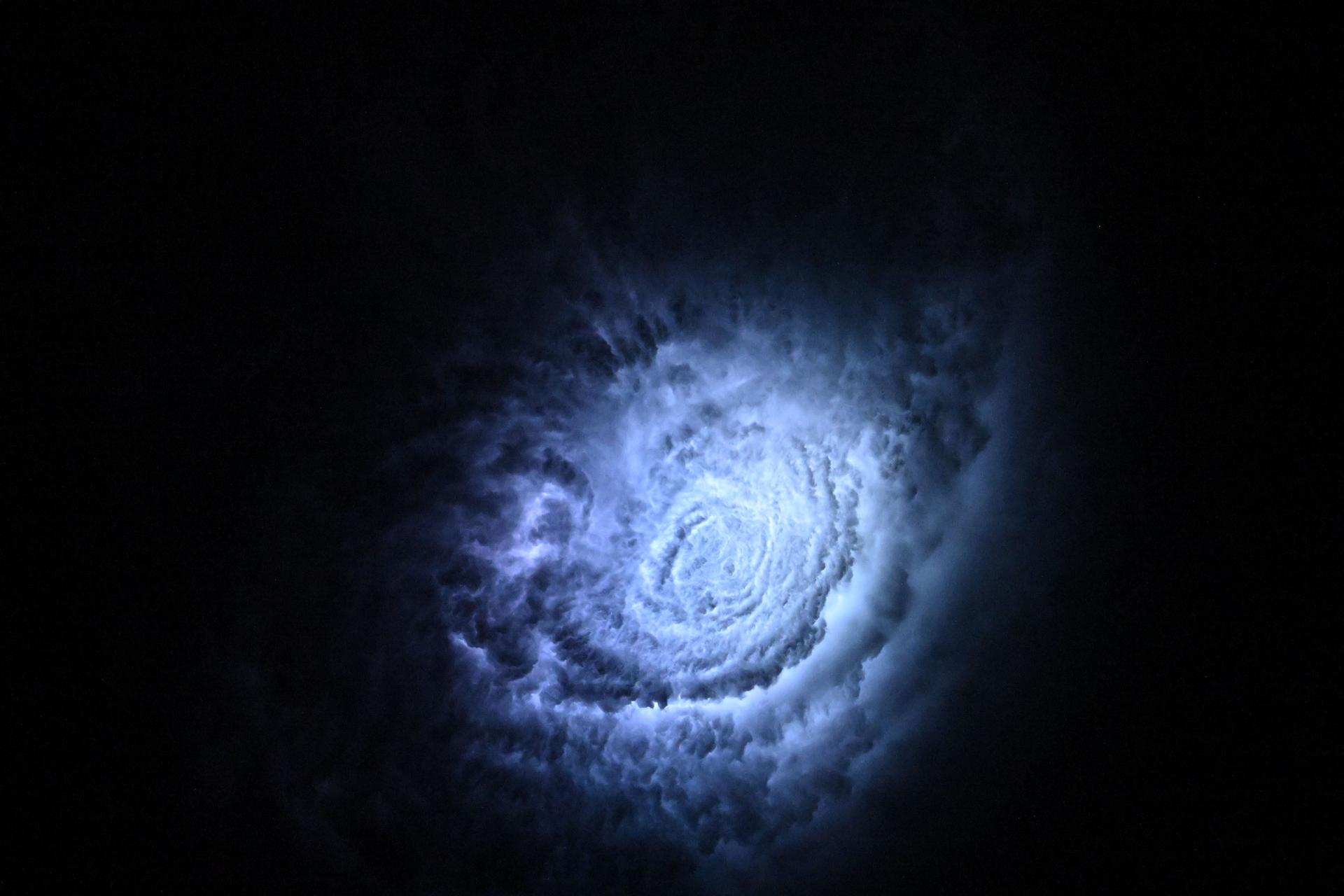
The European Space Agency is studying electrical phenomena that occur above severe thunderstorms, including colorful sprays of energy and light known as sprites, blue jets, and elves. Researchers combined the observations with radio measurements from ground-based receivers to confirm powerful bursts of electricity above thunderstorms can generate enough energy to trigger elves. The team also found a correlation between the brightness of blue flashes and electrical current, improving our ability to model energy transfer between the upper atmosphere and the edge of space.
Tracking this activity could enhance severe weather prediction and deepen understanding of the upper atmosphere, a region critical for satellite operations and communication systems.
Learn more about the Atmosphere-Space Interactions Monitor investigation.
Throughout more than two decades of operations, researchers from more than 110 nations have carried out 4,000-plus experiments, producing over 5,000 scientific publications. Space station research has been cited more than 100,000 times in scientific journals.
What's Your Reaction?