









NASA Testing Aims at Supercooled Large Droplet Aviation Safety
NASA is leveraging its expertise and enhancing its test facilities to help address a rare but persistent aviation hazard: icing that occurs when aircraft encounter unusually large, very cold water droplets in clouds. The problem, known as “supercooled large droplet icing,” occurs when aircraft fly through clouds containing unusually large drops of water that are […]
NASA Testing Aims at Supercooled Large Droplet Aviation Safety
NASA is leveraging its expertise and enhancing its test facilities to help address a rare but persistent aviation hazard: icing that occurs when aircraft encounter unusually large, very cold water droplets in clouds.
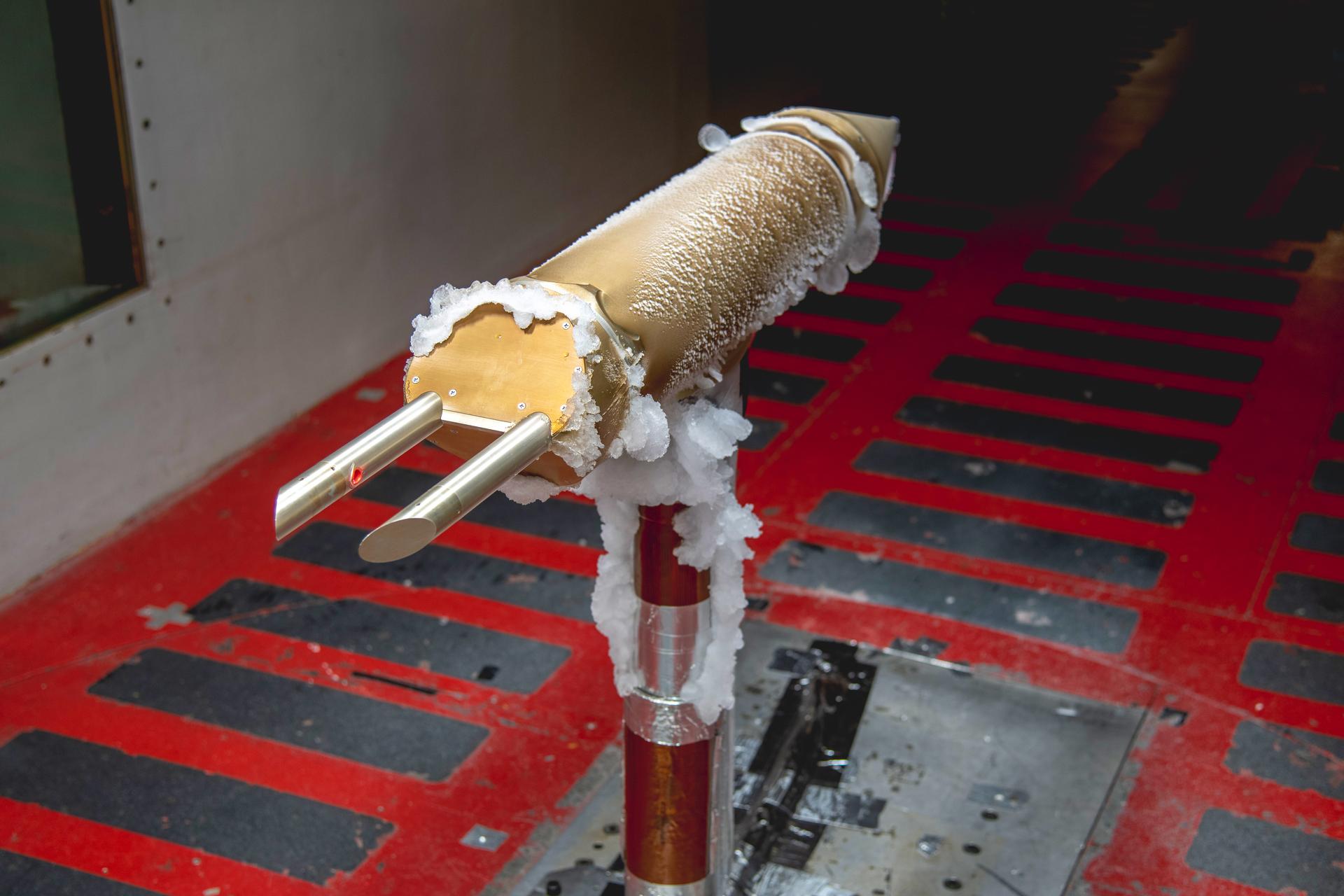
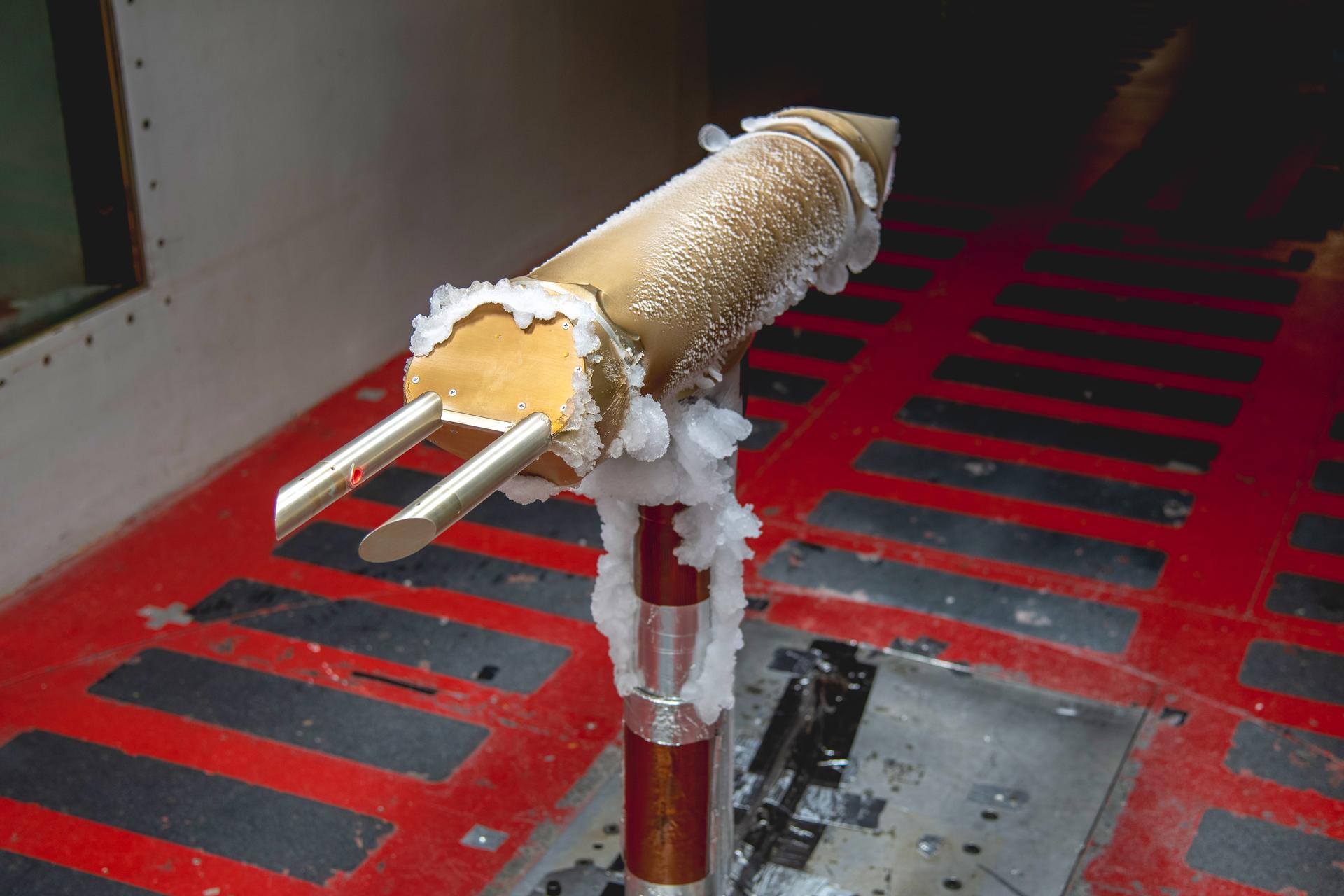
The problem, known as “supercooled large droplet icing,” occurs when aircraft fly through clouds containing unusually large drops of water that are very cold but remain liquid. When a plane passes through those drops, they can rapidly freeze to surfaces that are not protected from ice buildup.
With a series of tests in the Icing Research Tunnel at Glenn Research Center in Cleveland, NASA researchers are helping U.S. industry better understand the phenomenon.
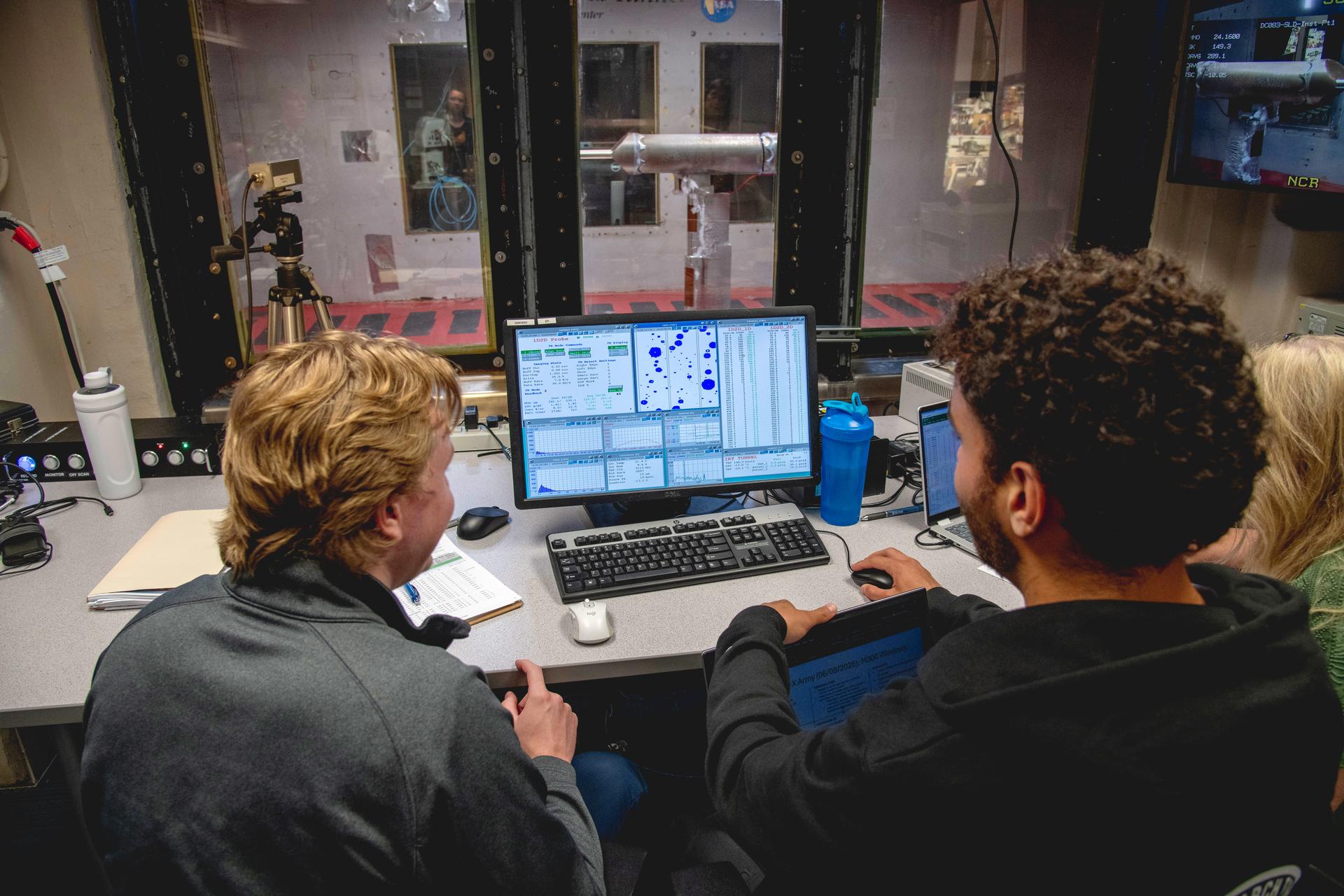
Supercooled water is common in clouds – droplets can go below 32 degrees Farenheit but not freeze unless they encounter dust or other tiny particles around which they can crystalize. Aircraft are designed to encounter typical icing conditions where droplets range from 2 to 100 microns in diameter (for comparison, a human hair is about 70 microns wide). But in rarer cases, clouds can contain supercooled large drops up to 2,000 microns in diameter (if you’ve ever been caught in freezing rain, you’ve encountered these droplets at ground level). These much larger droplets can hit or splash to the aft of an aircraft, including areas behind conventional ice protection systems.
The aviation industry relies on engineering tools to help design their aircraft. Current tools work well for typical clouds, but engineers have questions about how well they account for the physics of supercooled large drops. To help answer those questions, NASA is working to enhance the equipment it uses to generate and measure experimental clouds for testing in the Icing Research Tunnel.
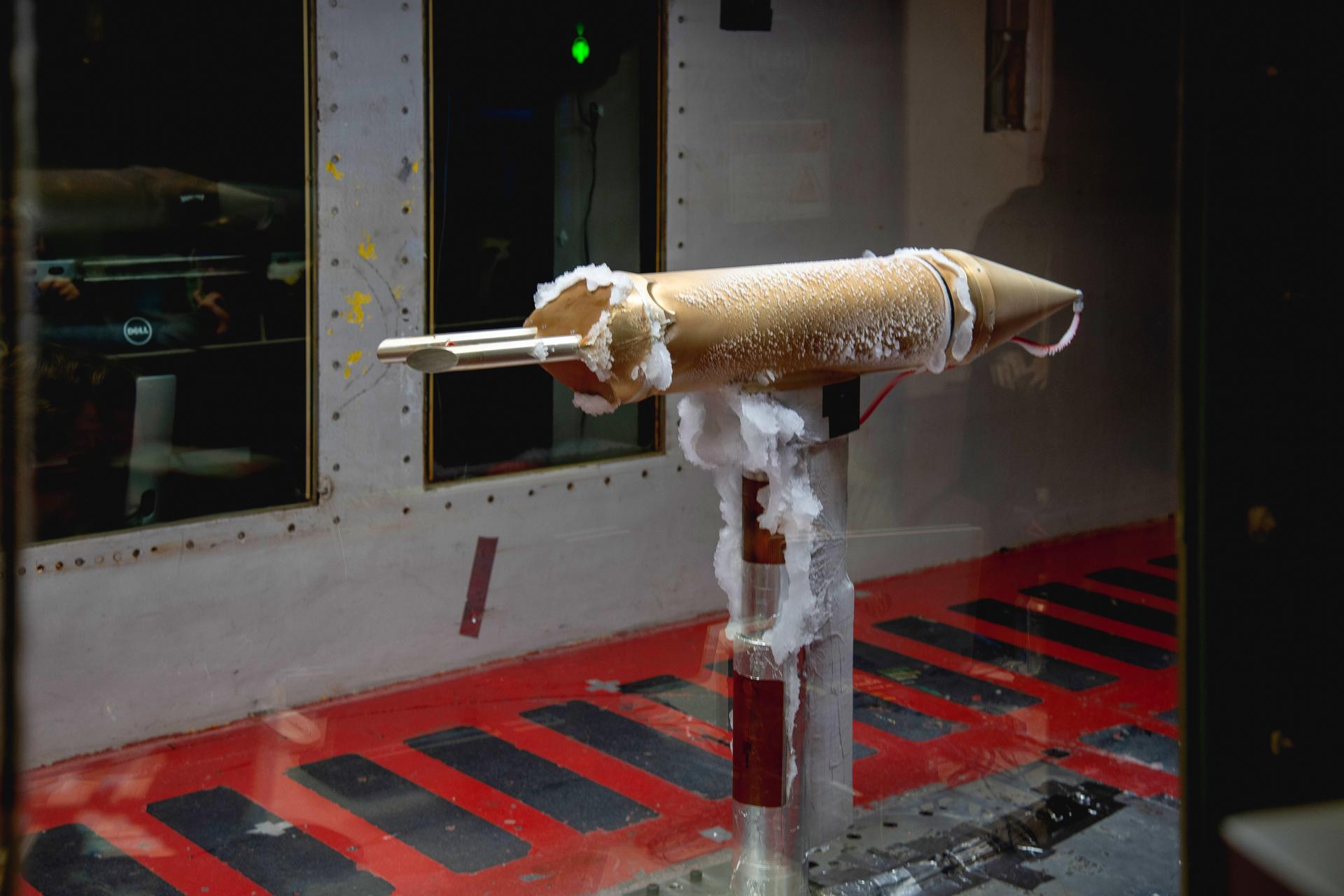
NASA researchers have experimented with brand new probes that help calibrate the sizes of the drops in the clouds the tunnel produces. The probes can “see” drops larger than 45 microns and perform a real-time analysis of their sizes. NASA will compare these results, a laborious technique of post-processing droplet size image data from the tunnel. The results will be mated to results from a different probe that measures droplets smaller than 45 microns. With this, the complete droplet size spectrum is known.
The test campaign marks an important milestone for the Subsonic Flight Demonstrator project, part of NASA’s Research and Technology Mission Directorate. Detailed analysis of the collected data continues, and NASA’s project team will share results with the broader aerospace community once complete.
Share
Related Terms
Explore More


What's Your Reaction?