









New Scientist is 70 years old – join us in celebrating
From a look back at the past 70 years of scientific discovery to a flash forward to the end of the century, we have a host of celebrations for our 70th anniversary

Break open the bubbly, light the candles and get ready to party – New Scientist is 70 years old! Times have certainly changed since we published our first issue in 1956. Back then, some scientists had proposed that our carbon dioxide emissions were warming the planet, but the idea was controversial. Biologists were only beginning to unpick how DNA, whose structure had just been elucidated by Francis Crick, James Watson, Rosalind Franklin and Maurice Wilkins, encoded the instructions for building organisms. The founders of this magazine couldn’t have envisaged the many ways that the web and smartphones would change daily life.
We are even old enough that what once seemed futuristic is now pleasantly quaint. Launching our first website, Planet Science, in 1995, we declared that, “As the technologies mature, quite soon and at a terminal near you, it may be possible to hear interviews with well-known scientists”. Our digital offering has expanded greatly since then, with these sorts of interviews now available across our podcast and video channels. That said, we also speculated that it might be possible to “manipulate three-dimensional models of molecules” on a future version of our website, which we still haven’t quite managed to deliver.
To mark our anniversary, we have put together a timeline of the biggest breakthroughs of the past 70 years. I enjoyed diving into our archives in search of how we reported era-defining moments. Our assessments haven’t always been on the money: after Yuri Gagarin’s space flight in 1961, for example, our correspondent declared “it is almost physically impossible for [the US] to beat the Russians to the moon”.
Advertisement
The secret to New Scientist‘s longevity is a devoted following of readers
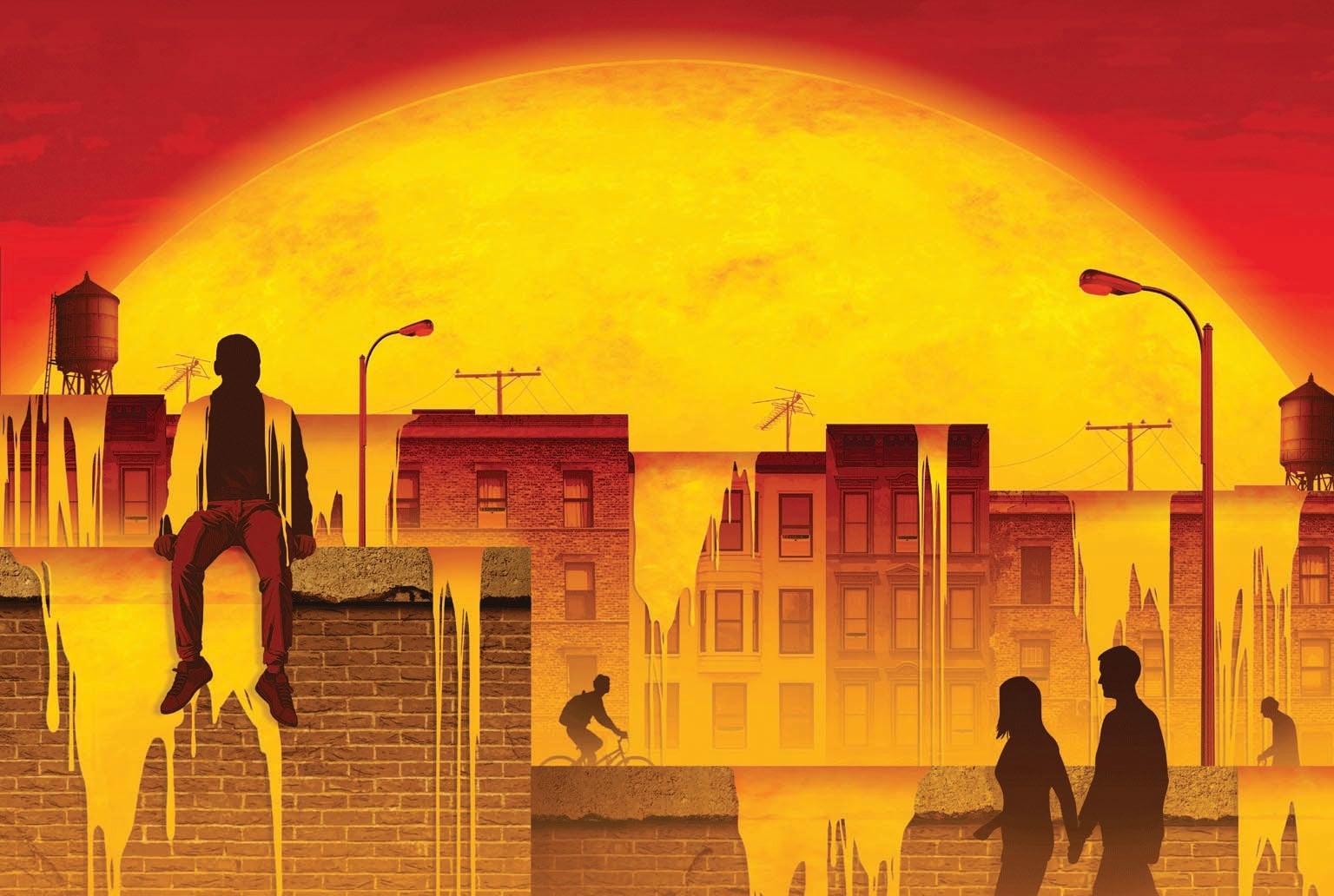
A clear demonstration, if one were needed, that most predictions turn out to be wrong. But looking ahead is in New Scientist‘s DNA, so, bravely – or foolishly – we press on. The main feature in this special issue is a trip to the year 2096, seven decades from now, for an imagined article for our 140th anniversary. To make our predictions as informed as possible, Jacob Aron consulted a panoply of scientists for their views and wove it all together to create one plausible path for the future.
Sometimes, it turns out that fiction writers can see the future more accurately than scientists. Emily H. Wilson has trawled through 70 years of sci-fi in search of the most prescient predictions. Robert A. Heinlein, Ursula K. Le Guin, Octavia E. Butler and Cixin Liu are among those who have shown remarkable foresight.
Of course, the secret to New Scientist’s longevity is a devoted following who have been with us since the days of Daedalus, Enigma and Grimbledon Down. When we first started thinking about our anniversary, we wondered if there were readers who remembered our very first issue. We asked you for your stories about how you first encountered New Scientist and the role it has played in your life – and hundreds of you responded. It was a joy to read so many kind messages and wonderful stories. Most gratifyingly of all, we heard from a couple who met on our short-lived dating website in 2012 and are still happily married! You can read some of our favourite letters here.
Long-time readers may remember a couple of old faces who make an appearance in this issue. When I first joined New Scientist in 2015, I sat next to Andy Coghlan, a news reporter who had been on staff for almost as long as I had been sentient. Andy was hired in the days when job interviews took place in the pub and reporters away from the office had to file stories over the phone. He shares a few recollections about the huge stories he worked on, from Dolly the sheep to the world’s first face transplant. Meanwhile, in Almost the Last Word, former editors including Mick O’Hare reminisce about noble efforts to answer readers’ questions about noisy restaurants and champagne.
Finally, some fun and games. We thought you’d like a challenge, so we asked Nobel prizewinners to set some quiz questions. Barry Marshall, Jennifer Doudna and Saul Perlmutter gladly offered to test your knowledge of their specialist subjects: the bacteria that cause stomach ulcers, CRISPR gene editing and the expanding universe. We also have a special crossword that requires you to fill in the missing words from headlines that have appeared on our cover. Even Feedback is getting in on the action.
Despite all that has changed in the past 70 years, New Scientist remains one of a kind – a place where curious minds can feast on big ideas, baffling mysteries, hard-hitting journalism and the delightfully weird subjects of scientific inquiry. Thank you for being part of our story. It has been a great pleasure to put together this 70th anniversary issue – I hope you enjoy it too.
Sam Wong is New Scientist‘s anniversary editor
What's Your Reaction?